
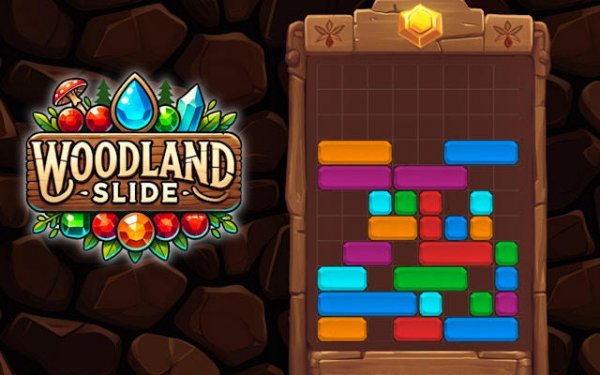
Forest Tile Shifter: Color Link
Reviews
Forest Tile Shifter stands out for its relaxed pace and thoughtful design. The sliding mechanic is simple to learn, but the constant arrival of new tiles keeps you planning several moves ahead. The three tools add a welcome layer of strategy without overwhelming the player. Visually, the forest theme is soothing, and the gentle sounds help maintain focus. Difficulty ramps up gradually, so beginners feel comfortable while veterans find real challenges. This is a well-crafted puzzle game that respects your time and attention.
About this game
Core Matching Mechanics
Forest Tile Shifter: Color Link centers on a simple but engaging concept. Players slide colored tiles horizontally or vertically across a board made of wooden planks. The goal is to line up three or more tiles of the same color in a row or column. Once aligned, those tiles vanish, adding points to the player's score. After each slide, a fresh row of tiles enters from the top, gradually filling the board. This steady influx demands constant attention and planning, as the board can quickly become crowded.
Strategic Tools for Difficult Boards
To help players manage tricky situations, the game provides three special tools. A Tile Eraser can remove a single stubborn tile that blocks potential matches. A Tile Splitter breaks larger tiles into smaller ones, creating new matching opportunities. A Row Clearer wipes out an entire row of tiles at once. These tools are limited, so using them at the right moment is key. Players must decide whether to save them for later or use them immediately to prevent the board from filling up.
Visual Atmosphere and Sound Design
The game presents a calm forest environment with soft colors and gentle animations. The wooden board and tile designs evoke a natural, handcrafted feel. Background sounds, such as rustling leaves and distant bird calls, enhance the relaxing mood. This visual and audio combination helps players stay focused without feeling rushed or stressed. The overall presentation supports the puzzle gameplay rather than distracting from it.
Difficulty Progression and Replay Value
As players advance, the pace of new tiles increases, and the board becomes more complex. Early rounds allow for easy matches, but later stages require careful foresight. The game does not rely on timers or pressure, letting players think at their own speed. This gradual difficulty curve ensures that both newcomers and experienced puzzle fans find satisfying challenges. Because each session generates a unique sequence of tiles, no two games play exactly the same, encouraging repeated play.
Tips for Clear Thinking
Successful players often focus on clearing tiles from the lower rows first, preventing the board from stacking up. Looking ahead to where new tiles will appear helps in planning moves. Using tools sparingly and only when necessary preserves them for truly tough spots. Recognizing common color patterns can speed up decision-making. If the board seems overwhelming, stepping away for a moment often brings a fresh perspective and new solutions.





Comments
0 comments