
Logical Links: Course Puzzle
Reviews
Logical Links: Course Puzzle succeeds by focusing on what makes puzzle games compelling: clear rules and satisfying challenges. The minimal visual style keeps the mind on the task, while the gradual introduction of new obstacles ensures a steady learning curve. The controls are responsive, and the feedback from each move is immediate. What stands out most is the quality of the level design. Each course feels like a handcrafted riddle, not a random assortment of blocks. For players seeking a calm yet mentally engaging experience, this game delivers consistently.
About this game
Core Concept and Design
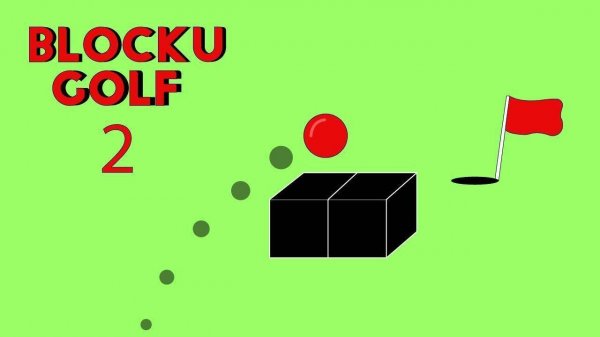
Logical Links: Course Puzzle belongs to a genre that blends the familiar mechanics of guiding a ball through a course with the mental demands of a logic puzzle. The game presents a clean, uncluttered visual environment where the focus remains squarely on the interaction between the player's input and the physical rules of each stage. The objective is straightforward: get the ball from its starting position to a designated target zone. However, the path is rarely direct. Each level acts as a self-contained brain teaser, requiring the player to assess the layout and determine the most efficient sequence of actions.
Mechanics of Movement and Control
Interaction with the game is built around a simple touch or click interface. Players set both the direction and the force behind each attempt to move the ball. The ball then rolls across the surface, reacting to the terrain and any objects in its path. The challenge lies in understanding how speed and angle affect the ball's trajectory. A gentle tap might send it just a short distance, while a stronger push could send it careening past the target. Mastering this control is essential for progressing through the more intricate courses.
Obstacle Variety and Course Architecture
The stages in Logical Links are populated with a range of interactive elements that alter the ball's movement. These include surfaces that change the ball's speed, barriers that redirect its path, and gaps that require precise timing to cross. Some obstacles move, adding a dynamic layer to the puzzle. The arrangement of these elements is carefully considered, ensuring that each stage presents a unique logical problem rather than simply a test of dexterity. Players must learn to anticipate how the ball will interact with each component.
Progression and Difficulty Curve
The game introduces its concepts gradually. Early stages allow players to become comfortable with the basic controls and simple layouts. As the player advances, the puzzles become more layered, often requiring a sequence of well-planned moves to reach the target. The difficulty increases not through speed or reflex demands, but through the complexity of the spatial relationships within each course. This thoughtful progression ensures that the experience remains engaging without becoming frustrating.
Visual Style and Atmosphere
The presentation of Logical Links is deliberately minimal. The clean, blocky aesthetic keeps the screen free of visual clutter, allowing players to focus entirely on the puzzle at hand. The color palette is soft and inviting, contributing to a calm and relaxed atmosphere. This design choice supports the game's core appeal as a thoughtful, low-pressure activity suitable for short play sessions or longer periods of focused problem-solving.






Comments
0 comments