
Time Shift Room Puzzle
Reviews
Time Shift Room Puzzle stands out in the crowded escape genre by making the clock a central puzzle element. The simple act of waiting for a new hour transforms the room in subtle, satisfying ways. The puzzles are well-balanced, never feeling unfair, and the clean visuals keep the focus on logical deduction. It is a short but memorable experience that respects the player's intelligence.
About this game
Core Time Mechanic
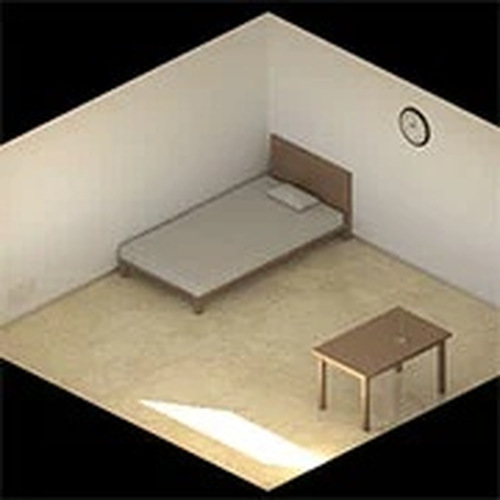
Unlike many escape games that rely solely on static clues, this title introduces a dynamic environment driven by a simple in-game clock. Players can choose to rest on the bed to advance the hour. This action triggers subtle transformations in the room: a drawer might open, a shadow shifts to reveal a hidden mark, or a new object appears on a shelf. The mechanic encourages repeated exploration of the same space at different times, rewarding those who pay close attention to detail.
Observation and Logic
Success depends on careful observation rather than quick reflexes. Each object in the room has been placed with purpose, and its state may change depending on the hour. Players must note patterns—such as the position of a book or the color of a lamp—and use logical deduction to connect these clues. The game does not rely on random chance; every puzzle has a clear solution that can be reached through methodical thinking.
Visual Design and Atmosphere
The environment is presented with clean, realistic visuals that make every item easy to identify. The bedroom setting is calm and uncluttered, reducing visual noise so players can focus on the puzzles. Lighting and shadow are used effectively to indicate the passage of time, adding a layer of immersion without overwhelming the player. The overall aesthetic supports a relaxed, thoughtful play experience.
Pacing and Accessibility
The game is designed for a wide audience, including those new to the escape room genre. There are no timers or pressure to act quickly. Players can take as long as they need to examine each clue and test their theories. The interface is intuitive: clicking on objects reveals information or triggers interactions. This straightforward control scheme ensures that the challenge lies in the puzzles themselves, not in complex controls.
Progression and Reward
Each solved puzzle brings the player closer to the ultimate goal of leaving the room. The sense of progression is clear, as new areas or items become accessible after completing a logical step. The game avoids arbitrary difficulty spikes; instead, it builds on previously learned patterns. This structure provides a satisfying feeling of accomplishment as players piece together the full sequence of actions required to escape.






Comments
0 comments