
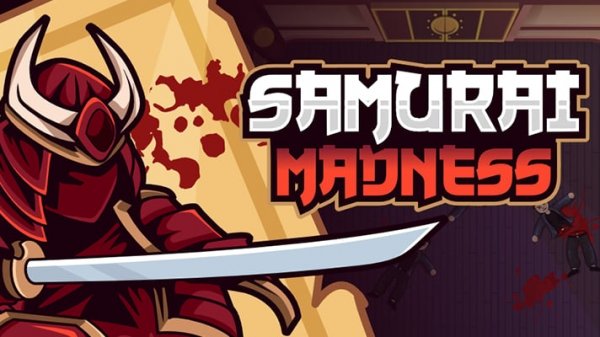
Blade of Honor: Tactical Action
Reviews
Blade of Honor succeeds by making every decision matter. The drag-based movement system forces you to plan each action, turning simple rooms into tactical puzzles. Skill upgrades arrive at a good pace, and boss fights demand real pattern recognition. The roguelite structure keeps runs fresh without feeling unfair. It is a well-balanced experience for anyone who enjoys action games with strategic depth.
About this game
Core Combat Loop
Blade of Honor: Tactical Action places you in the role of a warrior navigating through a series of rooms filled with opponents. The primary method of interaction is a drag-based control system: you click and hold the left mouse button to trace a path for your character to move and attack. This design forces you to think ahead, as each movement must account for enemy positions and attack patterns. The combat emphasizes precision over speed, rewarding players who can plan efficient routes through each room.
Progression and Skill Selection
As you clear rooms, you earn opportunities to select new skills that enhance your warrior's capabilities. These upgrades might improve attack power, add defensive options, or grant special abilities that change how you approach encounters. The roguelite structure means that each attempt offers a different set of choices, encouraging experimentation with various combinations. There is no single correct path; success depends on adapting your build to the challenges you face.
Boss Encounters and Area Structure
Each area concludes with a boss encounter that tests the skills and upgrades you have collected. These fights require a deeper understanding of timing and positioning, as bosses have unique attack patterns that must be learned through repeated attempts. The room-based layout creates a natural pacing, with regular checkpoints of progress as you advance toward the boss. Defeating a boss unlocks the next area, introducing new enemy types and environmental layouts.
Strategic Depth and Replayability
The combination of drag-based controls and roguelite progression creates a loop where each run feels distinct. Early attempts focus on learning enemy behaviors and room layouts, while later runs allow you to refine your skill choices and movement strategies. The game does not rely on grinding; instead, player skill and decision-making are the primary drivers of progress. This design makes it suitable for both short sessions and longer play periods, as each run can be completed in a manageable time frame.
Visual and Audio Atmosphere
The game presents a clean visual style that keeps the focus on gameplay clarity. Enemy and boss designs are distinct, making it easy to read attack tells even in fast-paced situations. Sound effects provide clear feedback for hits, blocks, and skill activations, helping players stay aware of the action without visual clutter. The overall presentation supports the tactical nature of the combat, ensuring that players can concentrate on strategy rather than distractions.



Comments
0 comments